 Ahmad
Ahmad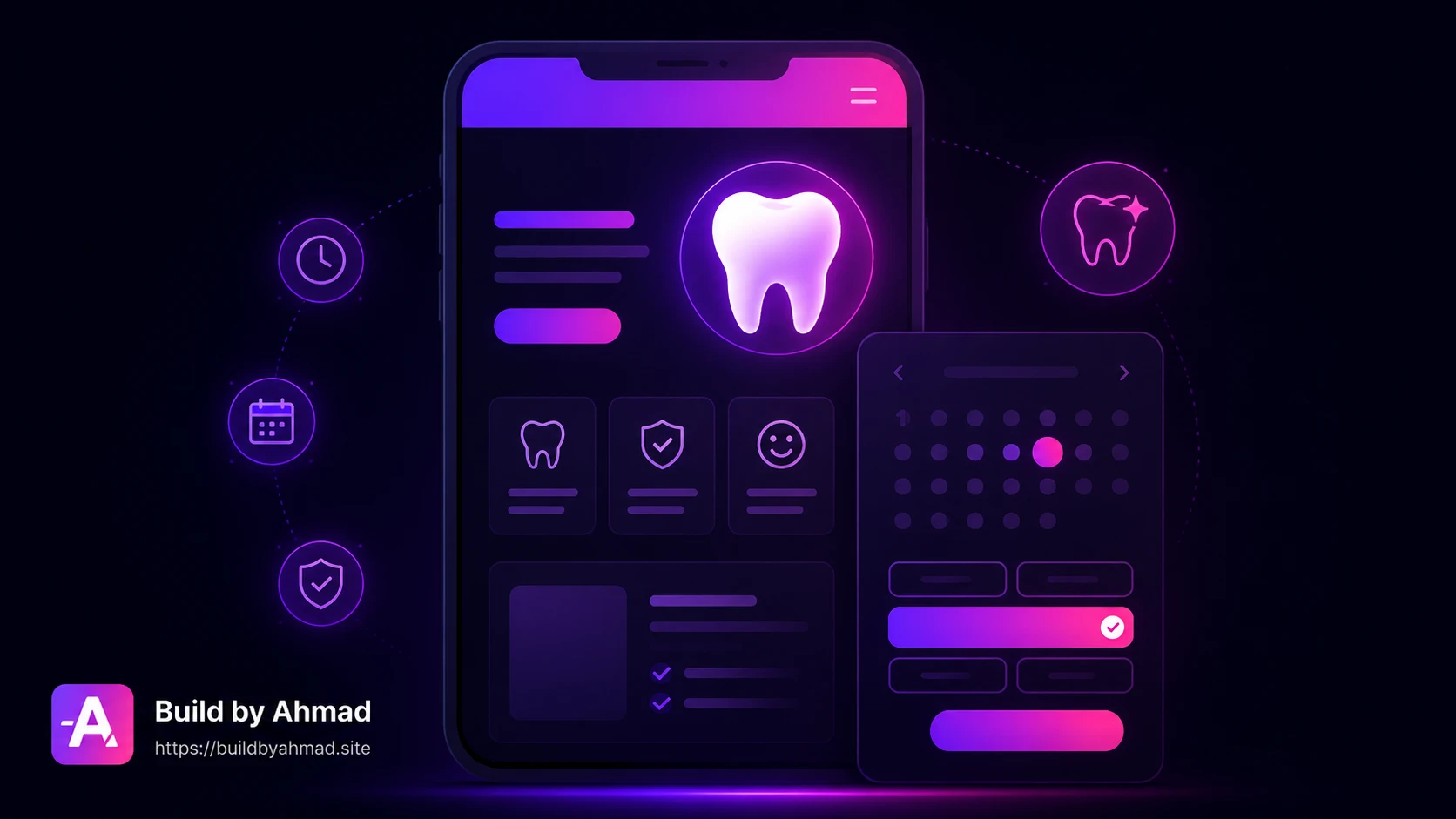
A great dental clinic website does more than look good — it quietly brings patients in. If you run a dental clinic, your next patient is almost certainly searching on their phone right now. They are typing things like "best dentist near me" or "dental implants in Faisalabad," and they are deciding, in a few seconds, which clinic to trust. If your clinic does not show up — or shows up with no website, no photos, and no easy way to book — that patient quietly goes to someone else. I have built and now run websites for dental clinics in both Pakistan and the USA, and the pattern is always the same: a good website quietly becomes one of the clinic's best front-desk staff.
Let me start with why this matters more for dentistry than for many other businesses. Choosing a dentist is a trust decision. People are nervous about pain, cost, and being upsold. Before they walk in, they want reassurance: real photos of the clinic, the doctors' names and qualifications, before-and-after smile galleries, clear service information, and reviews. A website is where all of that lives. Social media is good for attention, but a clinic website is where trust is actually built.
The single most valuable feature is online appointment booking. Think about your reception phone. It rings during procedures, after hours, and when staff are busy with another patient. Every missed call is a lost patient who will not call back — they will call the next clinic. Online booking solves this. A patient can pick a time at 11 pm, get a confirmation, and you wake up to a filled slot. It works while your clinic sleeps.
Online booking also reduces no-shows. A good system sends automatic reminders by WhatsApp or SMS, so the patient remembers and either shows up or reschedules instead of vanishing. For a busy clinic, cutting no-shows by even a small percentage adds up to real revenue over a month.
A clinic website should also do the quiet work of answering questions before they become phone calls. Clear pages for each treatment — implants, braces, whitening, root canal — with honest information and rough pricing guidance save your staff from repeating the same answers all day. They also help with Google: when your pages clearly explain each service, Google understands what your clinic offers and shows you to the right searchers.
Then there is local SEO, which is the difference between being found and being invisible. Most dental searches are local — people want a clinic near them. A website built with local SEO in mind, connected to your Google Business Profile, with your name, address, and phone number consistent everywhere, is what pushes your clinic up the map results. For a clinic, ranking in the local "map pack" is often worth more than any paid ad.
A WhatsApp chat button is another small feature with a big effect, especially in Pakistan. Many patients prefer to ask one quick question before booking. A tap-to-chat button turns a hesitant visitor into a conversation, and a conversation into an appointment.
I should be clear about what a clinic website is not. It is not a one-time poster you build and forget. The clinics that win keep their site alive — fresh photos, new patient reviews, an occasional blog post answering common questions like "does a root canal hurt?" These small updates tell both patients and Google that the clinic is active and trustworthy.
Here is the result when it all comes together: a patient searches, finds your clinic at the top, sees real photos and a 4.9-star rating, reads about the exact treatment they need, taps a button, and books — all without anyone at your front desk lifting a finger. That is what a modern clinic website does. It is not a brochure. It is a system that turns online searches into booked chairs.
If you run a dental practice and your current site is just a name and a phone number — or you have no site at all — you are leaving patients on the table every single day. A clean, fast website with online booking and local SEO pays for itself faster than almost any other investment a clinic can make.