 Ahmad
Ahmad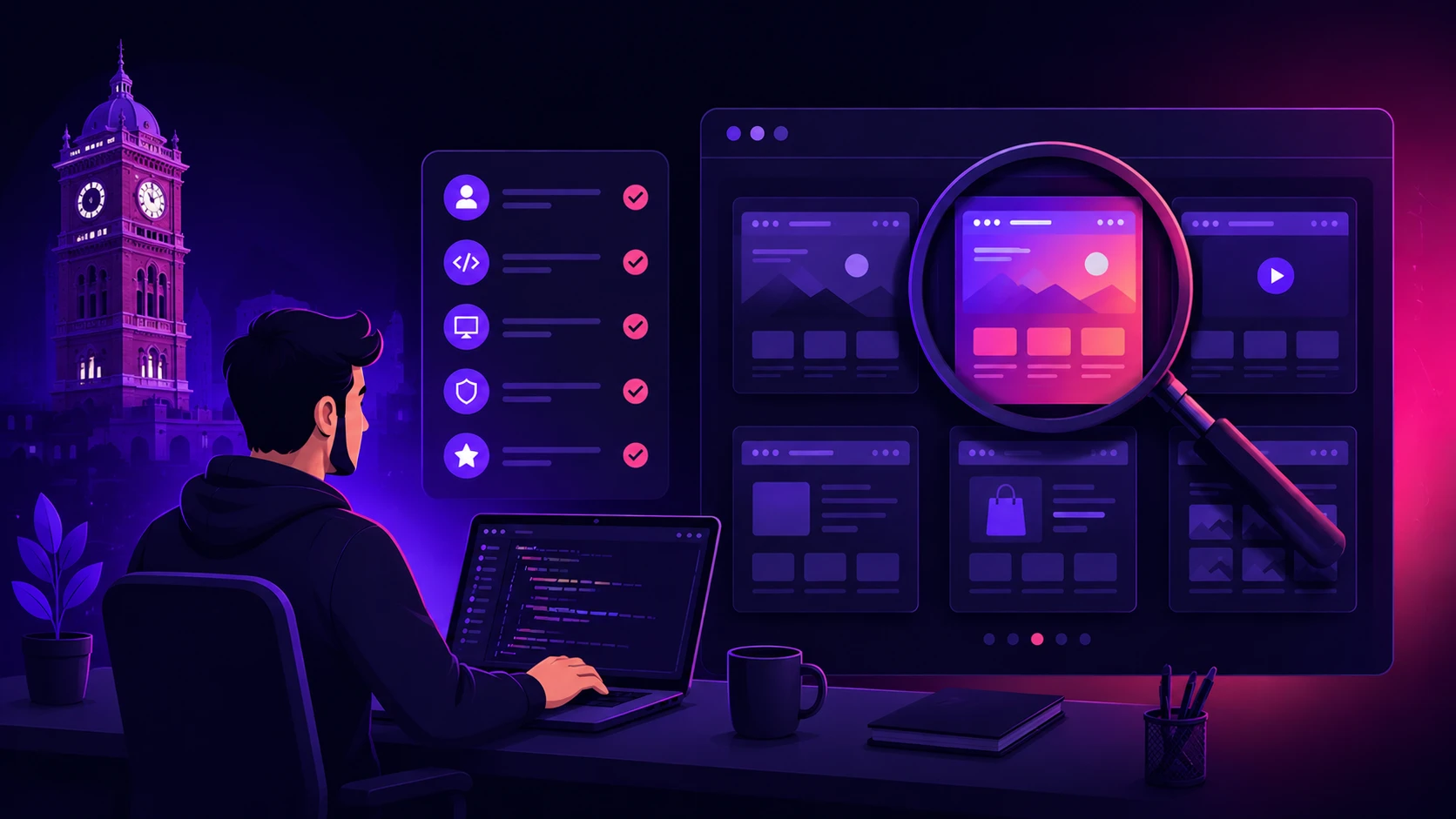
Hiring a web developer is a lot like hiring a contractor to build a shop. You are trusting someone with your money, your brand, and your time, and you usually cannot fully judge the work until it is done. In a city like Faisalabad, where you will find everyone from students doing it part-time to experienced full-stack developers, the choice can feel overwhelming. Having been on the building side for years, let me share what actually separates a developer worth hiring from one who will leave you frustrated.
Start with their own work. The single most useful thing you can do is look at live websites they have actually built — not screenshots, not templates they downloaded, but real, working sites you can open and click around. A serious developer has a portfolio of live projects and will happily share the links. If someone cannot show you live work, or only shows you images, that is your first warning sign.
When you open their past projects, check three things on your own phone: Does it load fast? Does it look good on mobile? Does everything work — buttons, forms, links? A developer who builds fast, mobile-friendly, working sites for others will build one for you. A portfolio full of slow, broken, desktop-only sites tells you exactly what you will get.
Next, pay attention to how they communicate before you have paid anything. Do they ask about your business and your goals, or do they just quote a price? The best developers want to understand what you are trying to achieve — more bookings, more sales, looking professional — because the website is a means to that end. Someone who only talks about price and not about your goals is selling you a file, not a result.
Be careful with quotes that are far below everyone else's. A price that seems too good usually means one of a few things: a template instead of custom work, a junior learning on your project, or someone who will disappear when it gets hard. Cheap is fine if you know that is what you are buying, but understand the trade-off. The real cost of a bad website is not the rupees you paid — it is the customers you lose and the rebuild you pay for later.
Ask directly about ownership and handover. Who owns the domain and hosting account — you or them? Will you get access to everything? Can the site be updated by someone else later, or are you locked in? A trustworthy developer puts the domain and hosting in your name and makes sure you control your own business. Some developers deliberately keep control so you cannot leave. Avoid them.
Ask what happens after launch. Websites are not "done" forever — things need small fixes, updates, and occasional changes. A good developer is clear about support: what is included, what costs extra, and how to reach them. Vague answers here mean you will be stranded the first time something breaks.
It also helps to look for signals of seriousness: a real portfolio site of their own, a professional way of presenting themselves, reviews or references from past clients, and clear writing. None of these guarantee skill, but together they paint a picture. Someone who has invested in their own presence usually takes your project seriously too.
Finally, trust how the conversation feels. Web projects involve a lot of back-and-forth, so you want someone who replies clearly, explains things in plain language, and does not make you feel stupid for asking questions. If communication is painful before you pay, it will be worse after.
To sum it up, the right web developer in Faisalabad is not simply the cheapest or the one with the fanciest words. It is the one who shows you real, fast, live work, understands your business goals, gives you full ownership, communicates clearly, and is honest about cost and support. Ask those questions, watch for those red flags, and you will avoid the most common — and most expensive — hiring mistakes.