 Ahmad
Ahmad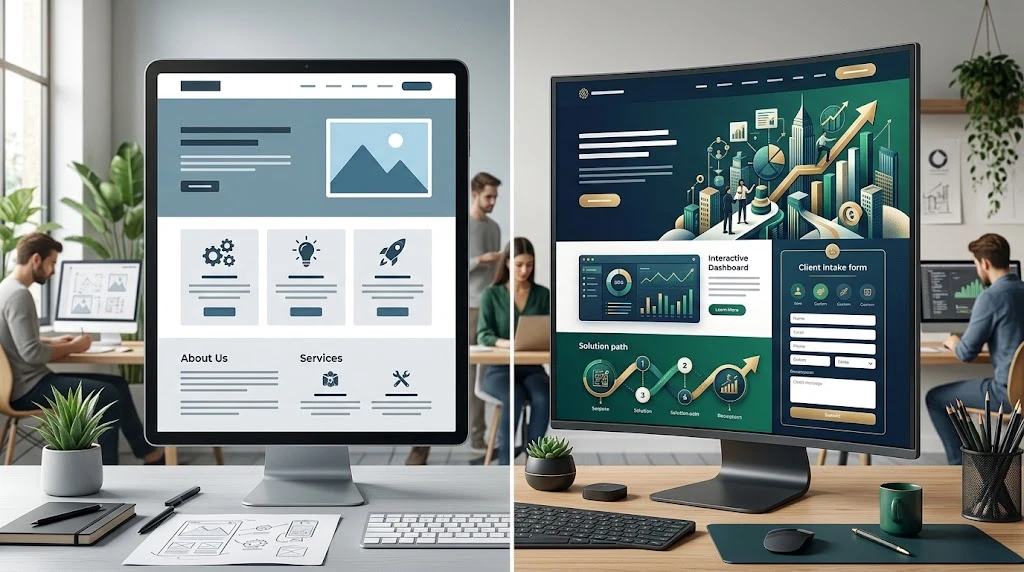
Is Your Website Really Custom—or Just a Template With New Colors?
Templates are not automatically bad. They can be a smart choice for simple needs. The issue is calling a template-based build custom without explaining what is actually customized. The best choice depends on your goals, customer needs, budget, and the amount of technical work your project requires.
Introduction
If you have been wondering about custom website vs template, you are not alone. The internet is full of strong opinions, quick promises, and simple answers to problems that are not always simple.
Here is the useful part: A real custom project starts with your business needs and customer flow. You can make a better decision when you look at the whole customer journey instead of one feature or one price.
This guide keeps the topic practical. You will see what the choice means, where each side makes sense, what can go wrong, and what to check before you spend money.
Imagine finding a website that looks polished, loads fast, and still leaves you wondering what to do next. That happens more often than you might think. Templates are not automatically bad. They can be a smart choice for simple needs.
The debate around “custom website vs template” gets loud because technology is changing quickly. But your decision should not be based on hype. It should be based on what your customers need, what your business can support, and what you expect the site to do.
This guide breaks the issue into plain English. You will see the trade-offs, the warning signs, and a practical way to make a choice without chasing the cheapest or newest option.
What Does Is Your Website Really Custom—or Just a Template With New Colors Really Mean?
Templates are not automatically bad. They can be a smart choice for simple needs. The most impressive feature is not always the most useful feature. Here's the thing: Templates are not automatically bad. They can be a smart choice for simple needs. The most impressive feature is not always the most useful feature.
The issue is calling a template-based build custom without explaining what is actually customized. Small improvements to clarity can have a larger effect than flashy design. Here's the thing: The issue is calling a template-based build custom without explaining what is actually customized. Small improvements to clarity can have a larger effect than flashy design.
A real custom project starts with your business needs and customer flow. Ask a simple question: will this make the customer's next step easier? Here's the thing: A real custom project starts with your business needs and customer flow. Ask a simple question: will this make the customer's next step easier?
Why This Debate Matters to Your Business
The issue is calling a template-based build custom without explaining what is actually customized. Small improvements to clarity can have a larger effect than flashy design. Here's the thing: The issue is calling a template-based build custom without explaining what is actually customized. Small improvements to clarity can have a larger effect than flashy design.
A real custom project starts with your business needs and customer flow. Ask a simple question: will this make the customer's next step easier? Here's the thing: A real custom project starts with your business needs and customer flow. Ask a simple question: will this make the customer's next step easier?
Custom does not mean every line of code is written from zero. Reusing proven parts can be smart. A good solution should reduce confusion rather than create another layer of work. Here's the thing: Custom does not mean every line of code is written from zero. Reusing proven parts can be smart. A good solution should reduce confusion rather than create another layer of work.
The Strongest Argument on Each Side
A real custom project starts with your business needs and customer flow. Ask a simple question: will this make the customer's next step easier? Here's the thing: A real custom project starts with your business needs and customer flow. Ask a simple question: will this make the customer's next step easier?
· Define the main customer problem.
· List the features that solve that problem.
· Separate must-have features from nice-to-have ideas.
· Decide who will maintain the website.
· Set a clear success measure.
Before paying, ask what is unique, what is reusable, and how the site can grow. You should also think about year two, not just launch day. Here's the thing: Before paying, ask what is unique, what is reusable, and how the site can grow. You should also think about year two, not just launch day.
What Most People Get Wrong
Custom does not mean every line of code is written from zero. Reusing proven parts can be smart. A good solution should reduce confusion rather than create another layer of work. Here's the thing: Custom does not mean every line of code is written from zero. Reusing proven parts can be smart. A good solution should reduce confusion rather than create another layer of work.
Before paying, ask what is unique, what is reusable, and how the site can grow. You should also think about year two, not just launch day. Here's the thing: Before paying, ask what is unique, what is reusable, and how the site can grow. You should also think about year two, not just launch day.
Templates are not automatically bad. They can be a smart choice for simple needs. The cheapest path can be costly if it creates a rebuild later. Here's the thing: Templates are not automatically bad. They can be a smart choice for simple needs. The cheapest path can be costly if it creates a rebuild later.
A Practical Way to Decide
Before paying, ask what is unique, what is reusable, and how the site can grow. You should also think about year two, not just launch day. Here's the thing: Before paying, ask what is unique, what is reusable, and how the site can grow. You should also think about year two, not just launch day.
Templates are not automatically bad. They can be a smart choice for simple needs. The cheapest path can be costly if it creates a rebuild later. Here's the thing: Templates are not automatically bad. They can be a smart choice for simple needs. The cheapest path can be costly if it creates a rebuild later.
The issue is calling a template-based build custom without explaining what is actually customized. The most impressive feature is not always the most useful feature. Here's the thing: The issue is calling a template-based build custom without explaining what is actually customized. The most impressive feature is not always the most useful feature.
If you want to compare this approach with real client work, you can explore [Build by Ahmad's portfolio and web development services] and use the examples as a reference.
Common Mistakes to Avoid
Templates are not automatically bad. They can be a smart choice for simple needs. The cheapest path can be costly if it creates a rebuild later. Here's the thing: Templates are not automatically bad. They can be a smart choice for simple needs. The cheapest path can be costly if it creates a rebuild later.
The issue is calling a template-based build custom without explaining what is actually customized. The most impressive feature is not always the most useful feature. Here's the thing: The issue is calling a template-based build custom without explaining what is actually customized. The most impressive feature is not always the most useful feature.
A real custom project starts with your business needs and customer flow. Small improvements to clarity can have a larger effect than flashy design. Here's the thing: A real custom project starts with your business needs and customer flow. Small improvements to clarity can have a larger effect than flashy design.
How Build by Ahmad Fits Into the Picture
The issue is calling a template-based build custom without explaining what is actually customized. The most impressive feature is not always the most useful feature. Here's the thing: The issue is calling a template-based build custom without explaining what is actually customized. The most impressive feature is not always the most useful feature.
A real custom project starts with your business needs and customer flow. Small improvements to clarity can have a larger effect than flashy design. Here's the thing: A real custom project starts with your business needs and customer flow. Small improvements to clarity can have a larger effect than flashy design.
Custom does not mean every line of code is written from zero. Reusing proven parts can be smart. Ask a simple question: will this make the customer's next step easier? Here's the thing: Custom does not mean every line of code is written from zero. Reusing proven parts can be smart. Ask a simple question: will this make the customer's next step easier?
What You Should Do Next
A real custom project starts with your business needs and customer flow. Small improvements to clarity can have a larger effect than flashy design. Here's the thing: A real custom project starts with your business needs and customer flow. Small improvements to clarity can have a larger effect than flashy design.
Custom does not mean every line of code is written from zero. Reusing proven parts can be smart. Ask a simple question: will this make the customer's next step easier? Here's the thing: Custom does not mean every line of code is written from zero. Reusing proven parts can be smart. Ask a simple question: will this make the customer's next step easier?
Before paying, ask what is unique, what is reusable, and how the site can grow. A good solution should reduce confusion rather than create another layer of work. Here's the thing: Before paying, ask what is unique, what is reusable, and how the site can grow. A good solution should reduce confusion rather than create another layer of work.
Frequently Asked Questions
Is custom website vs template always a good idea?
Not always. The right choice depends on your goals, customer needs, budget, and how much complexity your website must handle. Start with the problem you want to solve, then choose the simplest option that can solve it well.
How much should you budget for this type of project?
There is no single fair price for every website. Scope matters most. A simple information site needs less work than a custom application with accounts, integrations, dashboards, or payments. Compare the work included, not only the final number.
What should you ask a web developer before starting?
Ask what is included, who owns the domain and website files, how revisions work, what happens after launch, and how future changes will be handled. Clear answers reduce surprises and help both sides plan the project.
Can a small business start with a simple website?
Yes. A focused site can be enough when the main goal is to explain services and create a clear path to contact or book. You can add more features later when customer demand shows they are needed.
Should you use AI or a human developer?
That depends on the project. AI can help with drafts and repetitive work. A developer becomes more valuable when you need custom rules, testing, integrations, security, or long-term technical ownership.
What is the biggest mistake to avoid?
Do not choose based on one promise such as the lowest price, fastest launch, or newest technology. Look at the complete customer journey and make sure the website can support the business after launch.
Final Thoughts
The debate around “custom website vs template” is useful when it helps you ask better questions. Templates are not automatically bad. They can be a smart choice for simple needs. The best website decision is the one that matches your actual business needs instead of a trend.
If you want a website that balances clear messaging, practical design, and solid development, talk to Build by Ahmad about your project. Start with the problem, keep the first version focused, and build from there.