 Ahmad
Ahmad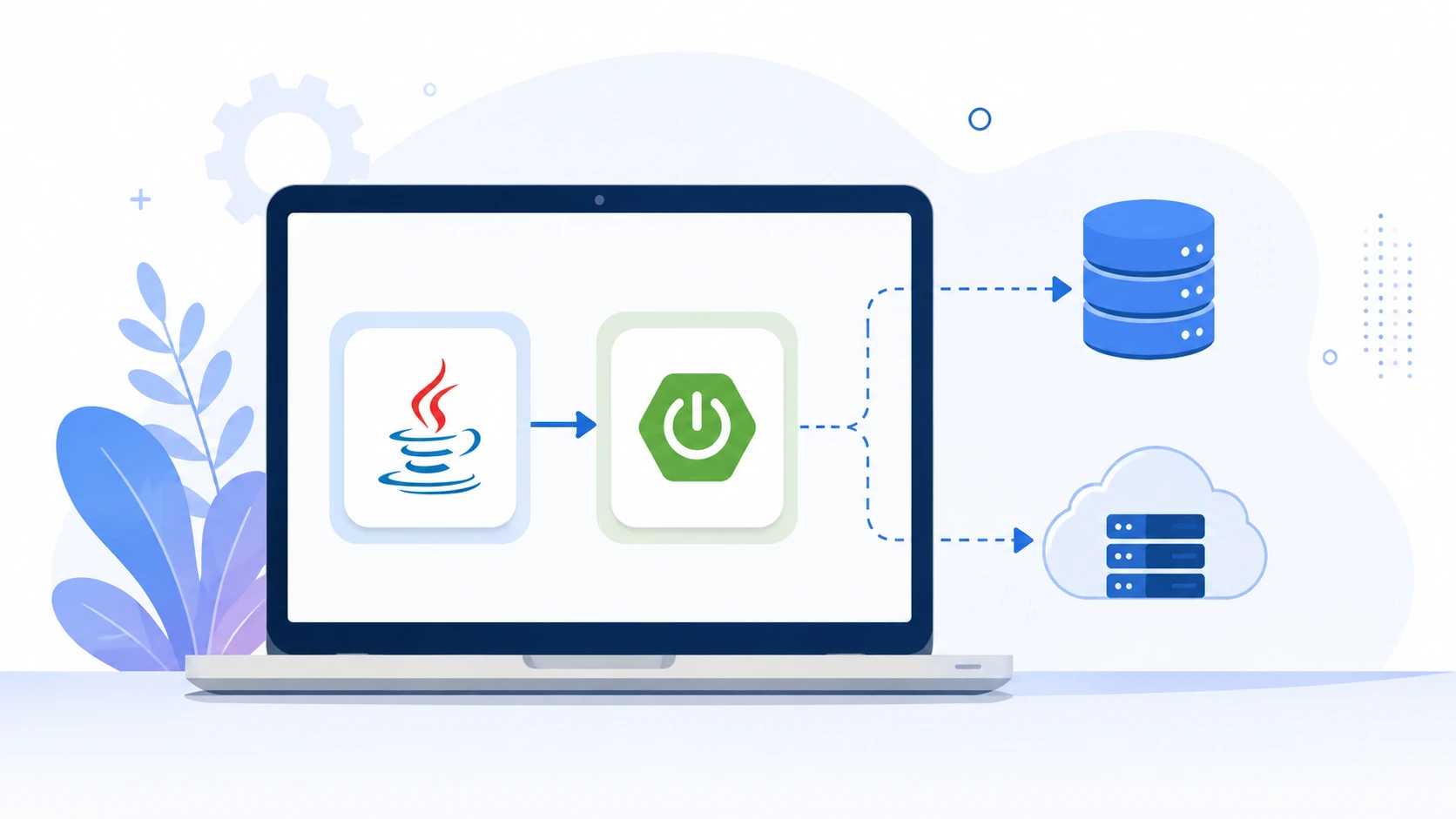
Quick Answer: Java Spring Boot is best as a backend because it's fast, secure, and built to grow with your project. It comes with ready-made tools, a huge community, and strong support for REST APIs. That's why so many companies, from small startups to big banks, trust it every day.
Introduction
So you're picking a backend for your next project, and you keep hearing one name over and over: Spring Boot. Honestly, that's not by accident.
If you've ever felt stuck choosing between ten different backend frameworks, you're not alone. It's confusing, and one wrong pick can cost you weeks of wasted work.
Here's the good news. Why Java Spring Boot is best as a backend comes down to a few simple reasons: speed, safety, and support. And in this guide, you'll see exactly why, in plain simple words. No confusing tech talk, just real answers you can use today.
What Is Java Spring Boot, Exactly?
Spring Boot is a tool built on top of Java. It helps you build backend systems — the part of an app that stores data and makes things work behind the scenes.
Think of it like a toolbox. Instead of building every tiny piece from zero, Spring Boot gives you ready-made parts. You just plug them in and build faster.
It's used for websites, mobile app backends, and even large business systems. Companies like banks and online stores use it because it's stable and safe.
Here's a simple way to picture it. Regular Java takes a lot of setup before you write your first line of real code. Spring Boot skips most of that setup for you.
That's the whole point of "Boot" in its name. It boots up your project fast, so you spend your time building, not configuring.
Plus, Spring Boot runs on the JVM (Java Virtual Machine). This means your code works the same way across almost any computer or server, which saves you from a lot of headaches later.
Why You Need a Strong Backend Framework Like This
Your backend is the engine of your app. If it's weak, your whole app feels slow or breaks under pressure.
Here's why picking the right one matters so much:
● It handles more users without crashing your site
● It keeps your data safe from hackers and bugs
● It saves you coding time with built-in features
● It grows with your business, from 10 users to 10 million
● It's easier to fix when something goes wrong
Spring Boot checks every one of these boxes. That's a big reason so many teams around the US pick it first, and stick with it for years.
How to Get Started with Spring Boot (Step-by-Step)
You don't need to be a coding expert to start. Follow these simple steps.
Step 1: Install Java on Your Computer
Download and install the latest Java version (JDK 17 or newer). This is the base that Spring Boot runs on.
Step 2: Pick an Easy Code Editor
Use a free editor like IntelliJ IDEA Community or VS Code. Both work great for beginners.
Step 3: Create Your Project with Spring Initializr
Go to the Spring Initializr website. Pick your project settings, then download your starter files.
Step 4: Add the Tools You Need
Choose things like "Spring Web" or "Spring Data" based on what your app needs. Spring Boot adds them for you automatically.
Step 5: Write Your First API
Build one simple endpoint, like a "hello world" page. This shows your backend is working.
Step 6: Test Your Project Locally
Run your project and check it in your browser. Fix any small errors you see.
Step 7: Use Free Tools to Speed Things Up
While you build, you'll often need quick fixes, like converting files or checking your code online. To save time, you can try a [free online tools website] that handles small tasks for you in seconds — no signup needed.
Benefits of Choosing Spring Boot for Your Backend
Once your project is running, you'll start to feel the real benefits.
● Faster setup thanks to auto-configuration
● Strong security built right in with Spring Security
● Great for teamwork, since the code stays organized
● Works well with databases like MySQL and PostgreSQL
● Huge community support, so help is always nearby
● Job-ready skill, since many US companies still hire for it
These benefits are exactly why so many developers trust it, especially people who want something reliable, not risky.
Common Mistakes Beginners Make (And How to Fix Them)
Even smart beginners run into the same few problems. Let's fix them fast.
Mistake 1: Skipping the Basics of Java
Some people jump into Spring Boot without learning core Java first. Spend a week on Java basics before you start.
Mistake 2: Adding Too Many Tools at Once
New learners often add every plugin they see. Only add what your project actually needs.
Mistake 3: Ignoring Error Messages
Error messages feel scary, but they're actually helpful. Read them slowly, they usually tell you exactly what's wrong.
Mistake 4: Not Testing Small Pieces First
Trying to build the whole app before testing anything is risky. Test one small part at a time instead.
Spring Boot vs Other Backend Options
Wondering how it stacks up against other choices? Here's a simple look.
|
Feature |
Spring Boot (Java) |
Node.js |
Django (Python) |
|
Speed |
Very fast |
Fast |
Medium |
|
Learning Curve |
Medium |
Easy |
Easy |
|
Best For |
Big, stable apps |
Real-time apps |
Quick prototypes |
|
Security |
Very strong |
Medium |
Strong |
|
Community Support |
Huge |
Huge |
Large |
As you can see, Spring Boot leads when your app needs to stay strong for years, not just months.
Pro Tips to Get the Most Out of Spring Boot
Want to build like someone with real experience? Keep these tips close.
● Use Spring Boot DevTools so changes reload without restarting everything
● Keep your project structure clean from day one
● Write small tests as you go, not all at the end
● Use application.properties to manage settings in one place
● Don't hardcode passwords, use environment variables instead
● Read official Spring docs when you're stuck, they're beginner-friendly
● Join a Spring Boot community forum for quick answers
● Break big features into small, testable pieces instead of one giant file
● Learn to read a stack trace calmly, it points you right to the bug
Who Should Actually Use Spring Boot?
Not every project needs the same tool, and that's okay. But Spring Boot fits more situations than you might think.
Students building a school project will find plenty of free tutorials to follow. Freelancers working on client apps get a framework that looks professional and reliable.
Small business owners get something that can grow without a full rebuild later. And if you're aiming for a backend developer job in the US, Spring Boot still shows up in thousands of job listings today.
Frequently Asked Questions
Is Spring Boot good for beginners learning backend development?
Yes, it's actually a great starting point. It removes a lot of setup work, so you can focus on learning how backends really work.
Why do so many companies pick Java Spring Boot over other frameworks?
Companies trust it because it's stable, secure, and has years of proven use. It also scales well as a business grows, which saves money later.
Is Java Spring Boot free to use for personal or business projects?
Yes, Spring Boot is completely free and open-source. You can use it for personal projects, startups, or large business systems at no cost.
What if my project is small, is Spring Boot overkill?
Not really. Spring Boot works fine for small projects too, and it makes growing later much easier since the structure is already solid.
How long does it take to learn Spring Boot as a beginner?
With basic Java knowledge, most people feel comfortable within 4 to 6 weeks of steady practice. Real comfort comes with building small real projects.
Is Spring Boot safe for handling sensitive user data?
Yes, it includes strong built-in security tools like Spring Security. This makes it a solid choice for apps handling passwords, payments, or personal data.
Final Thoughts: Is Spring Boot Really Worth It?
At this point, it's pretty clear. Why Java Spring Boot is best as a backend comes down to speed, safety, and long-term stability that beginners and big companies both rely on.
You don't need to master everything today. Just start small, follow the steps above, and build one simple project first.
And whenever you need a quick fix along the way, remember tooldit.com is free, fast, and ready whenever you are. Go ahead, start your first Spring Boot project today, you've got this.